

Year-round
Wildlife & Bird Watching
Hambantota District, Sri Lanka
One of the island's great wildlife corridors
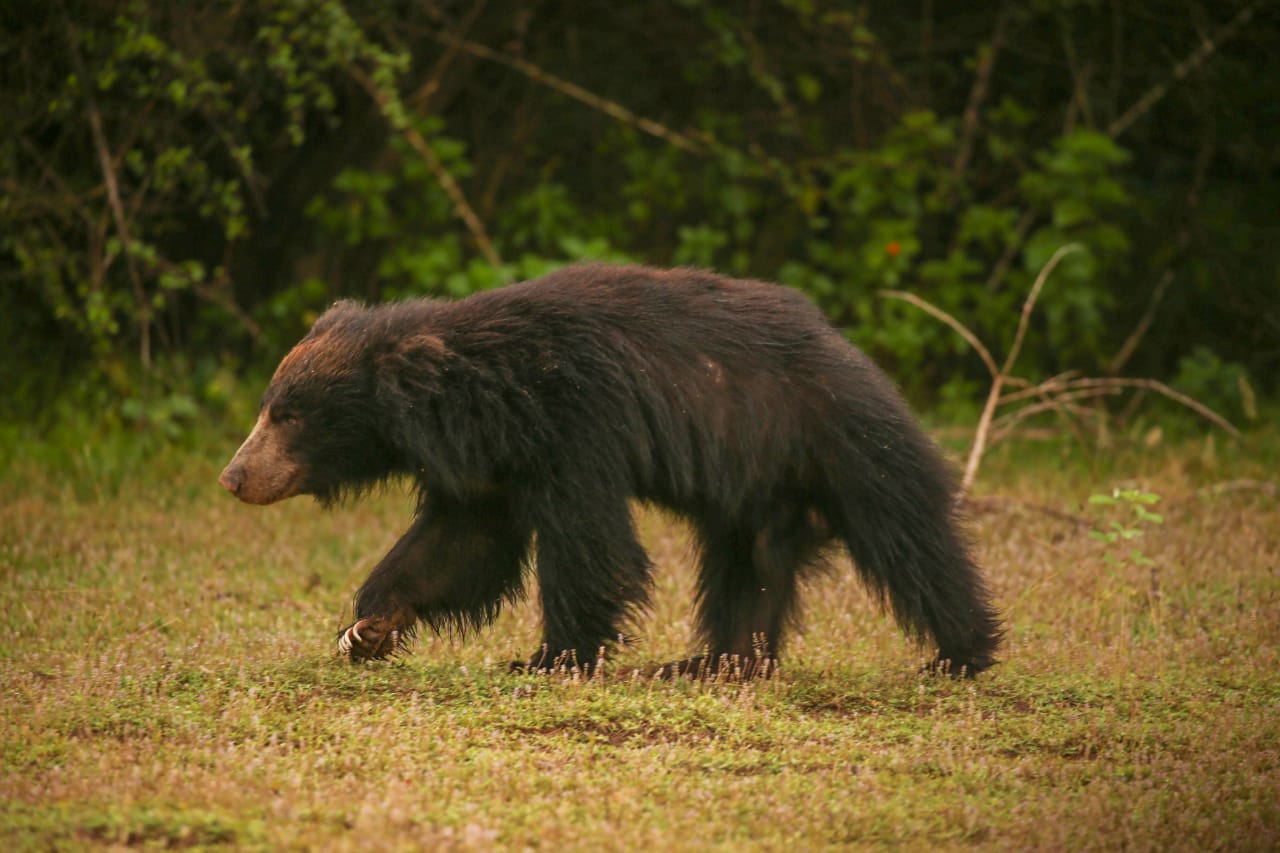
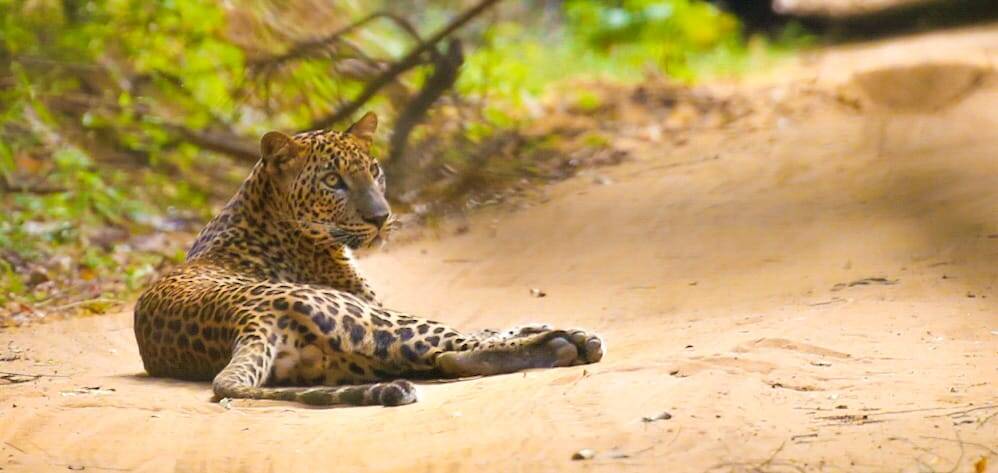
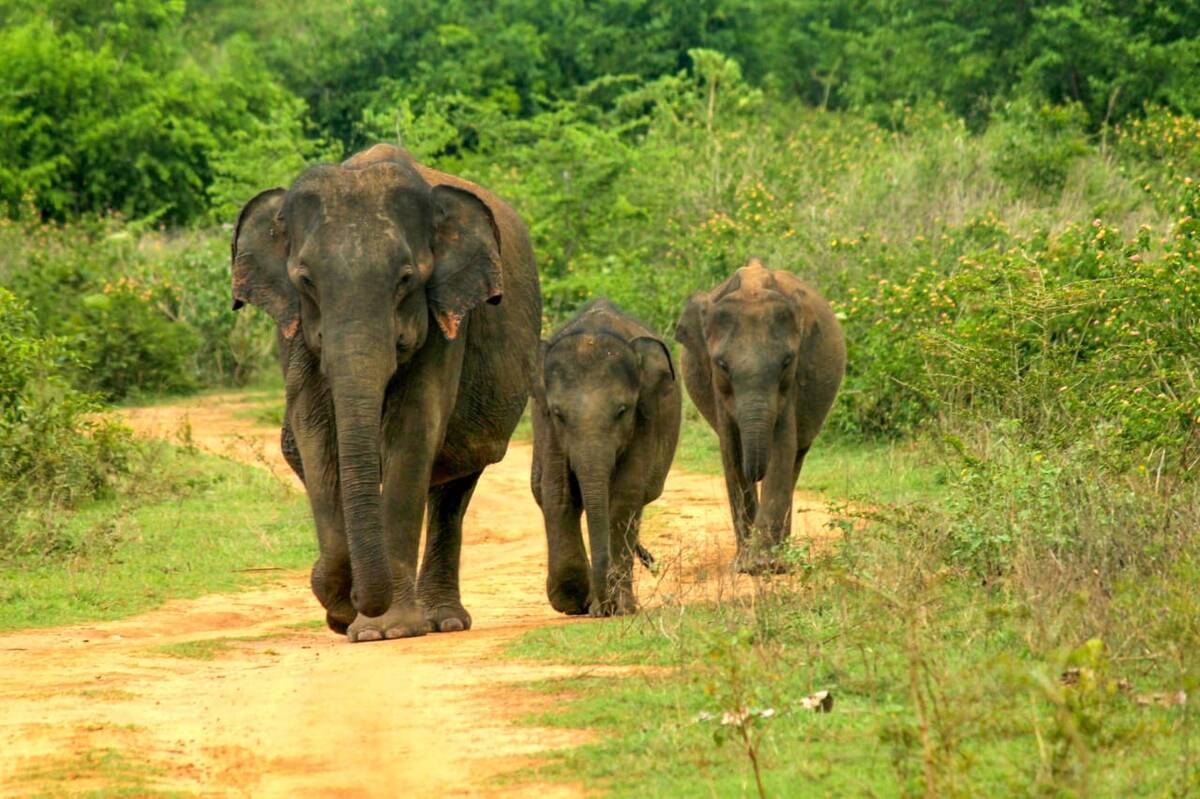
The southern dry zone around Yala and Bundala supports hundreds of bird species year-round (resident, endemic, and migratory) alongside leopard, elephant, sloth bear, and crocodile. Arana sits twelve kilometres from Yala National Park's Block I entrance, close enough that dawn from the property already belongs to the wildlife watching.
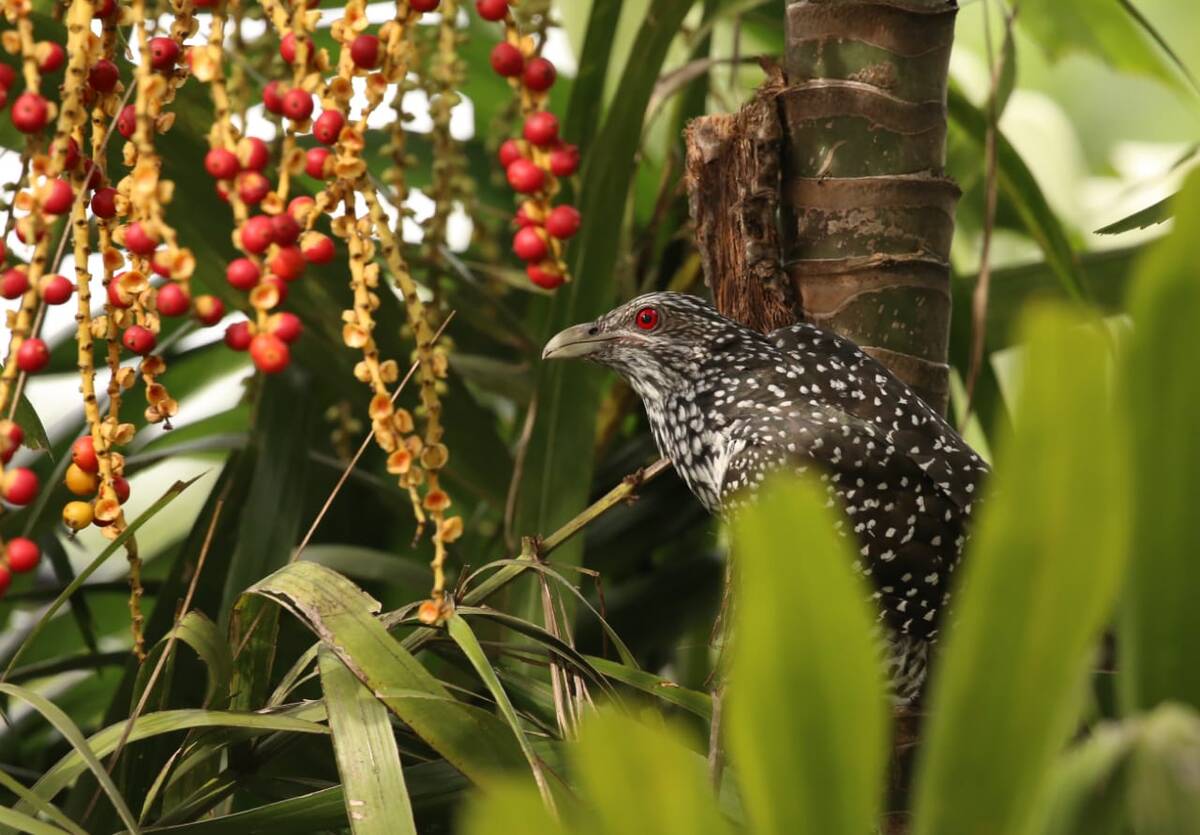
Birding here does not begin at the park gate. From the garden and the terrace, the light arrives with bee-eaters, kingfishers, and the clear call of the Sri Lanka junglefowl, the island's endemic wild ancestor of all domestic chickens, and a common visitor to the grounds at Yala Junction. One peacock has made the place his own: the family calls him George, and most mornings he can be found high in the branches of his favourite neem tree. A family of Brown Paradise Flycatchers has nested in the grounds, too, known in Sinhala as the robe thief (සිවුරු හොරා) for the long saffron tail it trails like a monk's stolen robe; they stayed through the quiet of 2020, and the grown chicks still return. Before the day heats, the trees hold a great deal.
For the deeper list, the two parks within reach are different in character and reward different habits. Yala is the headline for large mammals; Bundala, a Ramsar-designated wetland thirty kilometres to the west, is where the birds are in their greatest numbers: flamingos wading in the lagoons, painted storks, spoonbills, and seasonal concentrations of waders that stop here on the East Asian–Australasian Flyway.
Two parks, two kinds of watching
Yala National Park
Block I holds one of the world's highest leopard densities. The same game drive that puts you near leopard also moves through mixed scrub forest rich in endemic birds: serendipity is the method here.
Bundala National Park
A Ramsar wetland renowned for flamingos, waders, and waterbirds. A quieter park with far fewer vehicles: the birder's choice on the south coast of Sri Lanka.
Endemic species of Sri Lanka
Sri Lanka holds more than thirty bird species found nowhere else on earth. The dry-zone parks of the south (Yala, Bundala, Lunugamvehera) are among the most accessible places to encounter them. The Sri Lanka junglefowl, grey hornbill, brown-capped babbler, and Malabar pied hornbill are all recorded in this zone. A visit to the property in the early morning hours, before the sun is fully up, rewards patience without requiring a jeep.
- From the grounds
- Bee-eaters, kingfishers, Sri Lanka junglefowl, peacock, hornbills: visible at dawn from the garden and terrace.
- Yala Block I
- Mixed scrub and tank habitats support hundreds of species alongside the large mammals. Raptors, waders, and waterbirds near the waterholes.
- Bundala Lagoons
- Greater flamingo, painted stork, spoonbill, black-tailed godwit, and seasonal migratory concentrations in the wetland basins.
- Best season
- Year-round. Resident species are present all year; migratory arrivals peak October–March. The dry season (February–July) concentrates mammals at waterholes and makes sighting easier.
The dry-zone corridor
Dawn from the edge of the park
The hour before sunrise at Yala Junction belongs to the birds. The air is still, the light is thin, and the garden at Arana is already busy with birdsong that will vanish by mid-morning into the heat. The park, with its leopard, elephant, and sloth bear, is twelve kilometres away; but the birds, at least, do not wait for the gate.
At Bundala, over 200 bird species have been recorded. It is a different kind of wildness, wide, flat, salt-bright, and worth the thirty-minute drive west.
Yala & Bundala: wildlife & birds
What you may encounter
Mammals, reptiles, and hundreds of resident and migratory bird species:
- · Leopard
- · Elephant
- · Sloth bear
- · Crocodile
- · Jackal
- · Peacock
- · Monitor lizard
- · Sri Lanka junglefowl
- · Flamingo
- · Painted stork
- · Bee-eater
- · Kingfisher
- · Hundreds of bird species
Plan your stay
A room twelve kilometres from the park
Tell us your dates and we will arrange the birding and safari around them: the right park, the right hour, the early start handled.